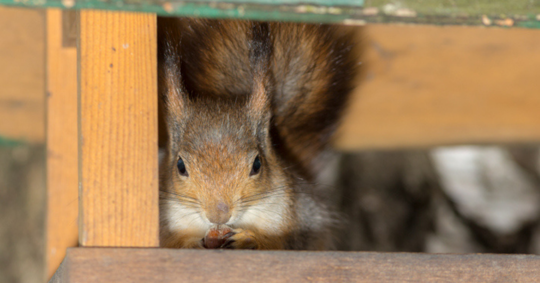
When temperatures drop across Central Maryland, you're not the only one looking for a warm place to spend the winter. Squirrels and raccoons actively seek shelter during cold months, and your attic offers everything they need: warmth, protection from the elements, and a safe space to nest. Unfortunately, what seems like a cozy refuge for wildlife can quickly become a serious problem for your home, leading to structural damage, health risks, and expensive repairs.
If you're hearing scratching, thumping, or scurrying sounds in your attic, don't wait to address the problem. Contact Accutech Pest Management through our online contact form or call (410) 784-4545 today for a thorough inspection.
Why Squirrels and Raccoons Target Attics in Winter
Maryland winters may not be as severe as those in northern states, but they're cold enough to send wildlife searching for shelter. Attics provide an ideal environment for animals trying to escape freezing temperatures and harsh weather. These spaces are typically undisturbed, offer insulation materials for nesting, and provide protection from predators.
Squirrels begin preparing for winter as early as fall, gathering food and seeking secure locations to nest. Gray squirrels and flying squirrels are the most common species in our area, and both will exploit any opening they can find to access your attic. Raccoons, on the other hand, don't truly hibernate but do seek warm dens during the coldest months. Female raccoons are particularly motivated to find sheltered spaces where they can give birth to their young, typically between January and March.
Common Entry Points Wildlife Uses to Access Your Attic
Animals are surprisingly resourceful when it comes to finding ways into your home. Understanding these vulnerable areas can help you identify potential problems before wildlife moves in.
Squirrels commonly enter through:
- Roof vents that lack proper screening or have damaged covers
- Gaps where different roofing materials meet or where the roof connects to walls
- Soffit and fascia boards that have rotted or pulled away from the structure
- Uncapped chimneys that provide direct access to your home
- Utility line openings where cables or pipes enter the building
Raccoons typically exploit:
- Loose or damaged roof shingles that create openings large enough for their bodies
- Attic vents and gable vents with weak or missing screens
- Deteriorated soffits that they can tear apart with their strong paws and claws
- Gaps in the roof edge where construction leaves small openings
Both species can enlarge existing openings by chewing or tearing through weak materials. A squirrel only needs an opening about 1.5 inches in diameter to gain entry, while raccoons can squeeze through spaces as small as 4 inches.
Signs You Have Unwanted Winter Guests
Detecting wildlife in your attic early can help you minimize damage and address the problem before it worsens. Pay attention to these warning signs, especially during winter months.
The most obvious indicator is noise. Squirrels are typically active during daylight hours, so you'll hear scampering, scratching, or rolling sounds in the morning and late afternoon. Raccoons are nocturnal, meaning their activity occurs at night—you might hear heavy thumping, walking sounds, or even vocal chirping if babies are present.
Other signs include visible damage to your roof or exterior. Look for chewed or torn areas around vents, damaged shingles, or gnaw marks on wood. Inside your attic, you might notice torn insulation, droppings, nesting materials made from insulation or stored items, or a strong musky odor. You may also spot grease marks along entry points where animals repeatedly enter and exit.
The Damage Wildlife Can Cause to Your Home
What starts as a minor nuisance can quickly escalate into significant property damage. Both squirrels and raccoons can compromise your home's integrity and create health hazards for your family.
Squirrels have teeth that never stop growing, which means they constantly gnaw on materials to keep them trimmed. In your attic, this translates to chewed electrical wiring, which creates a serious fire hazard. They'll also damage insulation, reducing your home's energy efficiency and increasing heating costs. Wooden beams, stored belongings, and even HVAC ducts aren't safe from their persistent chewing.
Raccoons cause different but equally serious problems. Their size and strength allow them to tear apart larger areas of your home's structure. They'll rip up insulation to create nests, damage ductwork, and contaminate spaces with urine and feces. Raccoon waste can carry parasites and diseases, including raccoon roundworm, which poses health risks to humans and pets.
Both species can also cause water damage by creating openings that allow rain and snow to enter your attic. This moisture can lead to mold growth, wood rot, and ceiling stains that extend into your living spaces.
Why DIY Wildlife Removal Is Risky
When you discover animals living in your attic, the urge to handle the problem yourself is understandable. However, DIY removal attempts often backfire and can even be dangerous.
Wildlife can be aggressive when cornered or protecting their young. Raccoons, in particular, can become defensive and may bite or scratch when threatened. Both squirrels and raccoons can carry rabies and other diseases transmissible to humans through bites, scratches, or contact with their waste.
Maryland has specific regulations regarding wildlife removal and relocation. Simply trapping an animal and moving it to a different location may be illegal without the proper permits. Additionally, if you seal entry points without ensuring all animals have left, you risk trapping young inside, creating an even worse situation as they die and decompose in your walls or attic.
Inexperienced removal attempts often fail to address the root cause. If you chase an animal out but don't properly seal entry points, it will likely return—or another animal will find the same opening. Professional wildlife control services include comprehensive solutions that address current infestations and prevent future problems.
Professional Wildlife Control: What to Expect
Working with experienced wildlife specialists ensures the problem is handled thoroughly, humanely, and in compliance with local regulations. Here's what a professional service typically includes.
The process begins with a complete inspection of your home's exterior and attic space. Technicians identify active entry points, potential vulnerabilities, and assess the extent of any infestation. They'll also look for signs that help determine what species you're dealing with and whether young animals might be present.
Removal methods vary depending on the situation. Humane trapping and relocation may be used for adult animals without young. If babies are present, specialists may use exclusion devices—one-way doors that allow adults to leave but prevent re-entry. This approach encourages mothers to relocate their young naturally.
After removal, the focus shifts to exclusion and repairs. All entry points are sealed using materials animals can't chew through or tear apart. This might include heavy-gauge steel mesh, metal flashing, or specialized vent covers. Any damage to insulation, wiring, or structure is documented and can be addressed through repairs.
Cleanup is a critical final step. Wildlife waste and contaminated materials are removed safely, and affected areas may be treated to eliminate odors that could attract other animals. Some situations require attic restoration if damage has been extensive.
Preventing Future Wildlife Intrusions
Once your attic is clear, taking preventive measures helps ensure animals don't return. Many of these steps are straightforward and add to your overall home pest control strategy.
Keep your property less attractive to wildlife:
- Trim tree branches so they're at least 6 to 8 feet away from your roof
- Store firewood away from your home's foundation
- Secure garbage cans with tight-fitting lids and don't leave pet food outside
- Remove bird feeders or use squirrel-proof designs, as spilled seed attracts wildlife
- Keep your yard clean of fallen fruit, nuts, and other potential food sources
Maintain your home's exterior:
- Inspect your roof regularly for damaged or loose shingles
- Check vents, soffits, and fascia for signs of wear or damage
- Install chimney caps if you don't already have them
- Replace or repair damaged screens on vents and windows
- Seal small gaps around utility lines and pipes
Regular inspections can catch small problems before they become major ones. Consider scheduling an annual check of your attic and roof, especially before winter when wildlife activity increases.
Protect Your Central Maryland Home This Winter
Don't let squirrels or raccoons turn your attic into their winter retreat. These unwanted guests can cause thousands of dollars in damage and create health risks for your family. The longer wildlife remains in your home, the worse the situation becomes—but taking action now can protect your property and give you peace of mind throughout the winter months.
Accutech Pest Management has the experience and tools to handle wildlife problems throughout Pasadena and Central Maryland. Our team understands local wildlife behavior and uses proven techniques to remove animals safely and prevent them from returning. Whether you're dealing with current attic invaders or want to secure your home before animals find a way in, we're here to help.
Reach out through our online contact form or call (410) 784-4545 to schedule an inspection today.